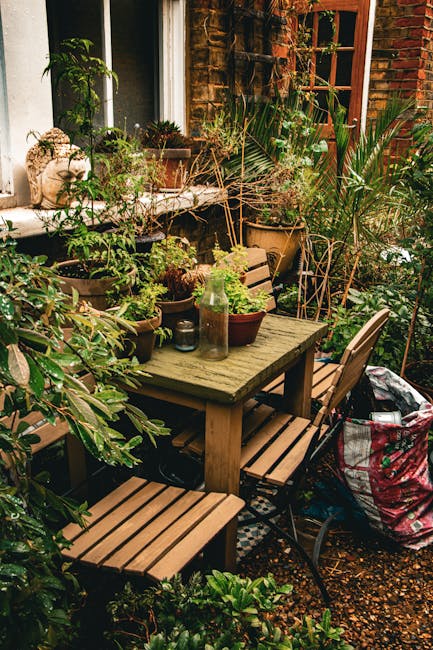
Lee High Road Small Garden Care Tips for Lewisham Gardeners
If you are trying to keep a small garden looking neat, healthy, and genuinely enjoyable near Lee High Road, you already know the challenge: not much space, a lot of competing priorities, and weather that can turn on you in a day. These Lee High Road small garden care tips for Lewisham gardeners are written for real homes, not idealised show gardens. The aim is simple. Help you make the most of a compact outdoor space without creating extra work every weekend.
Small gardens can be brilliant. They can also become cluttered, patchy, and oddly stressful if the planting, pruning, and upkeep are not working together. The good news? With the right rhythm, a few smart choices, and a realistic plan, even a narrow Lewisham back garden can feel calm, green, and well cared for. Let's get into what actually helps.
Table of Contents
- Why Lee High Road small garden care tips for Lewisham gardeners Matters
- How Lee High Road small garden care tips for Lewisham gardeners Works
- Key Benefits and Practical Advantages
- Who This Is For and When It Makes Sense
- Step-by-Step Guidance
- Expert Tips for Better Results
- Common Mistakes to Avoid
- Tools, Resources and Recommendations
- Law, Compliance, Standards, or Best Practice
- Options, Methods, or Comparison Table
- Case Study or Real-World Example
- Practical Checklist
- Conclusion
- Frequently Asked Questions
Why Lee High Road small garden care tips for Lewisham gardeners Matters
Small gardens around Lee High Road often have to work harder than bigger ones. They may be shaded by neighbouring houses, exposed to wind between buildings, or squeezed between patios, fences, and storage. That means every plant, every border, and every square metre has to earn its place. If you neglect it for a few weeks, you notice. If you care for it properly, you notice that too.
This matters because small spaces reward consistency more than intensity. A little regular maintenance usually beats one big tidy-up done when everything has become overgrown. Truth be told, that is where many gardens go wrong. People wait until the place feels overwhelming, then the job becomes bigger, messier, and more expensive than it needed to be.
In Lewisham, the practical side matters as much as the visual side. You want planting that can handle urban conditions, surfaces that drain well, and a layout that does not make routine jobs awkward. A good small garden is not just pretty. It is easy to live with.
Expert summary: The best small-garden care is usually not about doing more. It is about doing the right things more regularly, in the right order, with the least amount of fuss.
How Lee High Road small garden care tips for Lewisham gardeners Works
The basic logic is straightforward. Small gardens need a system. That system usually combines four parts: tidy structure, manageable planting, seasonal maintenance, and sensible storage. Once those parts support each other, the garden starts feeling easier almost immediately.
Start by looking at how the space is used. Is it a place for morning coffee, a child's play area, a quiet seating corner, or mainly a view from the kitchen? That answer shapes everything else. A small Lewisham garden that is used daily should usually prioritise open access, low-obstruction planting, and surfaces that stay safe and clean. A decorative courtyard can take a more ornamental approach.
From there, care becomes a cycle. You check growth, remove what is tired or damaged, keep paths clear, water efficiently, and reset the space before it slips. Sounds simple, and it is. The trick is noticing problems early. A pot drying out, a climber escaping its support, a patch of moss on paving, all of that is easier to handle in the moment than after three weeks of mild neglect. We have all been there.
If your garden is part of a wider maintenance routine, it can help to align small-garden care with broader outdoor work such as garden maintenance or focused lawn mowing so the whole space feels balanced rather than separately patched up.
Key Benefits and Practical Advantages
The best thing about looking after a small garden properly is that the results show quickly. You do not need acres of space to create a strong effect. In fact, small gardens often respond faster than larger ones because each improvement changes the feel of the whole area.
- More usable space: Clearing clutter and pruning back overgrowth makes even a narrow garden feel bigger.
- Less maintenance drift: Small, regular tasks stop the job from snowballing.
- Better plant health: Correct watering, feeding, and trimming reduce stress on the plants.
- Improved safety: Clear paving, tidy edges, and controlled growth help avoid trips and slips.
- Better privacy: Thoughtful screening can make a small plot feel calmer without blocking light.
- Stronger kerb appeal: A neat front or rear garden changes how the home feels, both inside and out.
There is also a surprisingly big emotional benefit. A tidy, living outdoor space can make a small house feel less boxed in. When you step out and see healthy planting, you get a bit of a reset. It is a small thing, maybe, but it matters.
For properties where overgrowth or old debris is part of the problem, combining routine care with garden clearance can be the cleanest way to get back to a manageable baseline before you maintain it properly.
Who This Is For and When It Makes Sense
These tips are for anyone managing a compact outdoor space near Lee High Road or anywhere across Lewisham where room is tight and the margin for mess is slim. That includes homeowners, tenants with private gardens, landlords wanting a presentable outdoor area, and busy households that want greenery without a full-time gardening project on their hands.
It makes particular sense if:
- your garden is narrow, shaded, or divided into awkward sections;
- you want it to look cared for without weekly heavy labour;
- plants are getting leggy, patchy, or crowded;
- the lawn, if you have one, keeps losing shape at the edges;
- paving, borders, and seating areas need to feel usable again;
- you need the space to suit family life, not just a photo.
It also makes sense if you are thinking about value. A neat, usable garden can support a better impression when people visit, rent, or view the property. That said, not every garden needs the same level of work. A balcony-style courtyard and a tiny terraced back garden are very different jobs. Common sense beats a one-size-fits-all approach every time.
Step-by-Step Guidance
If you want a practical way to manage a small garden in Lewisham, start here. Keep it simple. That is the secret, really.
1. Clear the obvious clutter first
Pick up broken pots, leaf litter, dead stems, old plant ties, and anything blocking access. You will notice the garden looks better almost immediately. It sounds basic because it is basic. But basic works.
2. Decide what earns its place
In a small garden, every item should have a job. If a plant is too large, too thirsty, too messy, or simply not suited to the site, move it on. Use compact shrubs, vertical planting, and containers that fit the scale of the space. Do not crowd the garden just because the plants looked lovely in the shop. We have all made that mistake in a sunny afternoon rush.
3. Cut back in layers, not all at once
Trim overgrowth carefully. With shrubs, climbers, and hedges, it is usually better to reduce growth gradually rather than remove too much in one go. That keeps the garden looking soft rather than brutalised. If you are working with boundary hedging, a tidy finish can be supported by hedge trimming where a crisp outline really changes the whole look.
4. Improve the soil and containers
Small gardens often depend heavily on pots and compact borders, so the soil needs attention. Refresh tired compost, add mulch where suitable, and make sure containers drain properly. Waterlogged roots are a common issue in cramped spaces, especially where surfaces are enclosed and airflow is limited.
5. Create a watering rhythm
Water deeply and less often, rather than a little bit every day, unless the weather is exceptionally hot or a plant clearly needs more. Early morning is usually a sensible time. It reduces evaporation and gives leaves time to dry. In a small garden, a watering can or compact hose set-up is often enough. No need to overcomplicate it.
6. Define edges and routes
Edges matter more than people think. A neat border edge, a clear path, or a straight line along paving can make the whole space feel intentional. In a tiny garden, tidy lines create visual breathing room.
7. Finish with one strong focal point
This might be a bench, a statement pot, a flowering shrub, or a small tree. One focal point is often enough. More than that, and the space can start to feel busy. Less is often more here, honestly.
If your garden needs a broader redesign after years of piecemeal changes, it may be worth looking at landscape gardening or broader landscaping support so the layout works as hard as the planting.
Expert Tips for Better Results
Small gardens are all about restraint and clever choices. A few well-judged decisions will usually outperform a lot of random effort.
- Use vertical space: Walls, trellises, shelves, and rail planters help you grow upwards instead of outwards.
- Repeat a small palette of plants: Repetition creates calm. Too many different species can make a compact space feel chaotic.
- Choose plants with clear habits: Look for varieties that stay compact or are easy to keep in shape.
- Mulch lightly but consistently: It helps with moisture retention and keeps weeds down, especially in beds and around shrubs.
- Check drainage after rain: A puddle that hangs around tells you something about the soil or surface levels.
- Keep the centre of the space open: Even a few square feet of visual openness can make a garden feel twice as usable.
One thing people often miss: scent matters in small gardens. If the space is close to a seating area or kitchen window, plants with fragrance can make the garden feel much richer. Rosemary, lavender, and some climbers can add a lot without taking much room. You get a visual win and a sensory one. Nice little bonus, that.
If privacy is a concern, keep screening thoughtful rather than heavy. Tall planters, layered shrubs, and carefully placed climbers can protect a seating area without shutting out daylight. For tighter corners and sheltered patios, ideas like those used in tall potted plants for privacy can work surprisingly well in a Lewisham setting.
Common Mistakes to Avoid
Small gardens can go wrong in predictable ways. The good part is that most mistakes are easy to fix once you spot them.
- Overplanting: Too many plants makes maintenance harder and the space feel cramped.
- Choosing the wrong scale: Oversized furniture or plants can dominate the whole area.
- Ignoring edges: Untidy borders make the whole garden look unfinished, even if the plants are healthy.
- Letting containers dry out completely: Pots heat up quickly and can fail fast in warm weather.
- Pruning at the wrong time: Some plants respond badly if cut back without thought to season or flowering habit.
- Using too many materials: A mix of too many paving styles, pot finishes, or colour themes can make a small space feel busy.
The biggest error, though, is treating the garden like a storage area with plants attached. A small garden has to breathe. If every corner is filled, there is no room for growth, movement, or calm. A little restraint goes a long way.
Another common one? Buying plants because they looked cheerful in spring and then realising they need more space than you have. Happens to the best of us.
Tools, Resources and Recommendations
You do not need a shed full of kit to care for a small garden properly. In fact, a compact and sensible toolkit is usually better.
| Tool or Resource | Why It Helps | Best Use in a Small Garden |
|---|---|---|
| Secateurs | Clean, precise cutting for stems and light pruning | Deadheading, shaping, and removing damaged growth |
| Hand fork and trowel | Useful for soil work in tight spaces | Planting, weeding, and refreshing containers |
| Watering can or short hose | Controlled watering without waste | Pots, beds, and targeted watering on warm days |
| Lightweight rake | Quick clean-up for leaves and debris | Keeping paved and planted areas tidy |
| Mulch or compost | Supports moisture and soil condition | Borders, shrubs, and seasonal refreshes |
| Simple planting plan | Stops the space becoming visually crowded | Choosing where each plant sits and how it grows |
If the job is bigger than a tidy-up and you need help understanding what level of support makes sense, browsing a company's services overview can clarify whether you need routine care, clearance, trimming, or a more complete reshape.
And for homeowners trying to stay on top of recurring maintenance, it also helps to understand the practical difference between one-off jobs and ongoing care. For some gardens, a recurring schedule works best; for others, a seasonal reset is enough. You do not have to overcommit. The garden does not care about your ambitions, only about what you actually do.
Law, Compliance, Standards, or Best Practice
For most small garden work in Lewisham, the main focus is best practice rather than complex regulation. Still, a few sensible standards matter.
First, always think about safety when using tools, ladders, or powered equipment. That is especially true if you are cutting back awkward growth or handling branches near fences and hard surfaces. If you are not sure a task is safe, slow down and assess it properly. There is nothing glamorous about a preventable accident in the garden.
Second, if waste is being removed, it should be handled responsibly. Garden cuttings, soil, and general green waste should be disposed of in a lawful and sensible way. If recycling and sustainability matter to you, it is worth understanding how a provider approaches disposal and reuse. Some companies set out their approach in a recycling and sustainability policy, which is a useful sign that waste handling is being taken seriously.
Third, good neighbours matter. In a dense part of London, a hedge trim, a clearance job, or even a long tidy-up session can affect adjoining properties. Keeping work respectful, avoiding overhang issues, and clearing mess promptly is just good practice.
Finally, if you are hiring help, insurance and safety standards matter more than slick photos. A tidy finish is nice. A safe, responsible service is better. If you want to understand how a provider thinks about this, a page such as insurance and safety can tell you more about the precautions and expectations behind the work. Not thrilling, perhaps, but very relevant when something is being cut, lifted, or carried through a tight space.
Options, Methods, or Comparison Table
There is no single right way to care for a small garden. The best method depends on how much time you have, how the space is used, and how much growth the garden produces across the year.
| Approach | Best For | Pros | Watch Outs |
|---|---|---|---|
| DIY routine care | Hands-on homeowners with light maintenance needs | Low cost, flexible, personal control | Easy to fall behind if time is tight |
| Seasonal refresh | Gardens that only need periodic intervention | Efficient, practical, good for busy households | Can drift if months pass between visits |
| Ongoing maintenance support | Busy homes or fast-growing plots | Consistent results, less stress, better structure | Requires planning and a budget |
| Clearance plus reset | Overgrown or neglected small gardens | Fast visual improvement, easier to restart properly | Needs follow-up care or the problem returns |
In practical terms, a lot of Lewisham gardeners benefit from a hybrid approach. A good first tidy, then light regular maintenance, then a seasonal review. That pattern usually gives the best balance between cost and effort. The garden gets easier to live with, and you do not feel like you are forever catching up.
Case Study or Real-World Example
Take a typical small rear garden off Lee High Road: a narrow lawn strip, one overgrown shrub near the fence, a few pots by the patio, and paving that had started to collect moss at the edges. Nothing dramatic. Just the sort of garden that slowly becomes less inviting because life gets busy.
The first step was to clear the dead material and cut back the shrub enough to open up the light. Then the pots were grouped more intentionally instead of sitting in a random line. The lawn edges were neatened, the paving scrubbed, and the planting simplified so the space looked deliberate rather than accidental.
The difference was not about fancy design. It was about proportion. Once the centre of the garden had breathing room, the whole thing felt better. The owners could sit out with a cup of tea without noticing clutter in every direction. That may sound small, but in a compact garden, small changes can be huge. You feel them every time you open the back door.
In another real-world kind of situation, a front garden near Lee High Road might need sharper edges and less frequent but regular work. A narrow frontage can go from decent to messy in a fortnight if hedging and lawn edges are not kept up. That is why many people pair general garden care with targeted tasks like hedge trimming or lawn mowing rather than waiting for a total overhaul.
Practical Checklist
Use this as a quick reset when your small garden starts slipping a little.
- Remove dead leaves, broken pots, and visible clutter.
- Check whether any plant has outgrown its space.
- Trim back overhang from paths, patios, and boundaries.
- Water containers and newly planted areas properly.
- Refresh compost or mulch where the soil looks tired.
- Check for moss, slippery patches, or blocked drainage.
- Keep one or two focal points, not five or six.
- Make sure the garden still feels easy to walk through.
- Store tools neatly so they do not become part of the mess.
- Look at the space from indoors and ask: does it feel calm?
That last question is a good one. Because a small garden does not have to be elaborate to be successful. It just has to feel cared for.
Conclusion
Good small-garden care in Lee High Road and the wider Lewisham area is really about rhythm, restraint, and practical choices. Keep the space open. Choose plants that suit the scale. Stay on top of edges, containers, watering, and seasonal trimming. If you do that, even a tiny outdoor space can feel generous and well balanced.
The most useful Lee High Road small garden care tips for Lewisham gardeners are the ones you can actually stick to. Not the dramatic ones. Not the glossy ones. The repeatable ones. A little care, done regularly, usually outperforms a big rescue job every time.
Get a free quote today and see how much you can save.
And if you are standing in your own garden right now, looking at one corner that has gone a bit wild, do not worry. Start there. One corner at a time is perfectly fine.
Frequently Asked Questions
What are the best Lee High Road small garden care tips for Lewisham gardeners?
The best tips are to keep the layout simple, prune regularly, use compact plants, and stay on top of watering, edges, and debris. Small gardens reward consistency more than occasional big efforts.
How often should a small garden in Lewisham be maintained?
That depends on the planting and the season, but many small gardens benefit from light attention every one to two weeks during active growth. A quick tidy is usually enough if the main structure is already in place.
What plants work well in small gardens near Lee High Road?
Compact shrubs, climbers, herbs, and container-friendly perennials often work well. The key is choosing plants that suit the light, wind, and available space rather than picking only by appearance.
Can a small garden feel bigger without major landscaping?
Yes. Clearing clutter, opening up the centre, simplifying the planting palette, and creating clear edges can make a small space feel noticeably larger without structural changes.
Is regular lawn mowing enough for a small garden?
Not usually on its own. Lawn mowing helps, but a small garden also needs pruning, weeding, container care, and seasonal tidying to stay healthy and attractive.
What is the biggest mistake people make with tiny gardens?
Overcrowding. Too many plants, ornaments, and bits of furniture can make a small space feel tighter and harder to maintain. Less can be much better.
When should I cut back shrubs in a small Lewisham garden?
It depends on the plant. Some shrubs are best shaped after flowering, while others are tidied in different seasons. If you are unsure, trim lightly rather than heavily and avoid forcing a hard cut at the wrong time.
How do I stop a small garden from getting messy so quickly?
Build a routine. Remove dead growth, reset pots, and clear paths before things build up. Small gardens become messy fast when maintenance is delayed, so little-and-often is the safer approach.
Do I need professional help for a small garden?
Not always. If the garden is tidy and only needs routine care, many people manage it themselves. But if it is overgrown, awkwardly laid out, or difficult to keep under control, professional help can save time and frustration.
How can I improve privacy in a small garden without blocking light?
Use layered planting, trellises, and tall pots with selected plants rather than solid screens everywhere. That gives coverage while keeping the garden feeling open and airy.
What should I look for in a garden care service?
Look for clear communication, practical experience with compact spaces, sensible safety standards, and a tidy approach to waste and finish. A good service should understand how to work in tight urban gardens without disrupting the property.
Are there any local issues that affect small gardens in Lewisham?
Urban shade, limited storage, narrow access, and neighbouring boundaries are common issues. Those constraints shape the care approach, so the best solutions are usually neat, space-efficient, and easy to maintain over time.