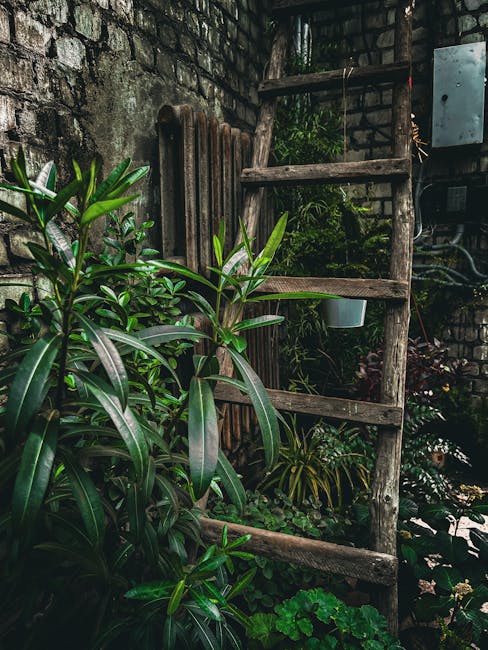
Hither Green garden maintenance access problems and solutions
If you live in Hither Green, you already know that a garden can look straightforward from the street and then turn into a bit of a puzzle once work needs to happen. Narrow side gates, shared paths, steep steps, awkward parking, tall hedges, basement courts, and bins parked exactly where you need to pass can all slow garden maintenance down. This guide to Hither Green garden maintenance access problems and solutions is designed to help you spot the sticking points early and deal with them in a calm, practical way.
Whether you are arranging regular lawn care, hedge cutting, clearance, or a one-off tidy-up, access matters more than people first expect. A good plan saves time, reduces risk, and usually gives a better finish. It also avoids that awkward moment when a team arrives, looks at the route in, and everybody realises the mower will not fit through the gate. Not ideal, to put it mildly.
Below, you will find a clear breakdown of the main access challenges in Hither Green, how professional gardeners work around them, what to prepare before the visit, and which solutions tend to make the biggest difference. If you are comparing providers, you may also want to look at the full range of garden maintenance services and the company's pricing and quotes information so you can judge what level of access support is realistically included.
Table of Contents
- Why Hither Green garden maintenance access problems and solutions Matters
- How Hither Green garden maintenance access problems and solutions Works
- Key Benefits and Practical Advantages
- Who This Is For and When It Makes Sense
- Step-by-Step Guidance
- Expert Tips for Better Results
- Common Mistakes to Avoid
- Tools, Resources and Recommendations
- Law, Compliance, Standards, or Best Practice
- Options, Methods, or Comparison Table
- Case Study or Real-World Example
- Practical Checklist
- Conclusion
- Frequently Asked Questions
Why Hither Green garden maintenance access problems and solutions Matters
Access is the quiet issue behind a lot of garden jobs. People usually focus on the visible part first: the hedge, the lawn, the weeding, the overgrown patch at the back. Fair enough. But if the working route is awkward, the whole job becomes slower and messier.
In Hither Green, the housing mix can make this especially relevant. You may be dealing with Victorian or Edwardian terraces, long narrow plots, maisonettes with shared entrances, flats with rear courtyards, or gardens that can only be reached through the house. Sometimes the garden itself is fine, but getting tools, clippings, and waste out becomes the real challenge.
Why does that matter so much? Because access affects:
- Time on site - awkward access means more carrying, more sorting, and more trips back and forth.
- Equipment choice - some machines are simply too large or heavy for tight routes.
- Cost and scheduling - a job that looks simple can take longer than expected.
- Safety - carrying tools through narrow passages or around uneven steps raises the chance of slips, trips, and knocks.
- Finish quality - if a team is rushing because access is poor, the result can suffer.
Truth be told, access problems do not mean a job cannot be done. They just mean the job should be planned properly. That is the difference between a tidy, efficient visit and a frustrating half-day of improvising.
For customers, this matters because it affects expectations. For gardeners, it matters because it shapes how the work is delivered. A provider who understands access will ask the right questions before the first visit, and that usually tells you a lot about how smoothly things will go.
Expert summary: the best way to handle garden maintenance access in Hither Green is to treat access as part of the job, not a side issue. Measure, plan, confirm, and then work to a route that is safe and realistic.
How Hither Green garden maintenance access problems and solutions Works
The process is fairly simple in principle, though the details vary from property to property. A garden maintenance provider will usually look at how people, tools, waste, and machinery move in and out of the site. That is the heart of the issue.
Here is how access planning typically works in practice:
- Identify the route in - through a side gate, rear alley, front entrance, shared hallway, or internal pathway.
- Check the width and height limits - this helps decide whether full-size machinery can be used or whether smaller tools are better.
- Look at surface conditions - paving, gravel, mud, steep steps, slippery flags, broken edging, or low lighting can all affect movement.
- Assess storage and turnaround space - where tools can be kept while working, and whether a mower can be safely manoeuvred.
- Plan waste removal - clippings, branches, soil, and bagged waste need a clear route out.
- Confirm parking and loading arrangements - especially important on busier Hither Green streets where stopping space can be limited.
That sounds very technical, but it is really just sensible housekeeping. A quick site note, a photo, or a brief call before the job can avoid a lot of hassle later. If you are booking a service, it is also worth checking the provider's about us page so you know how they approach customer communication and site planning. The way a company explains itself usually says a lot about how it will handle practical problems.
There are three common access models:
- Direct access - tools and equipment can be brought straight into the garden.
- Conditional access - access is possible, but only with certain limits, such as smaller tools, careful timing, or a particular route.
- Restricted access - work is still possible, but it may require manual-only methods, waste staging, or extra preparation from the customer.
The solution is not always about forcing the issue. Sometimes the best answer is choosing a lighter tool, splitting the work into stages, or arranging the visit at a time when access is easiest. A little flexibility goes a long way, honestly.
Key Benefits and Practical Advantages
Sorting access properly brings benefits that go beyond convenience. It changes the whole feel of the job. You notice it in the small things first: fewer pauses, less carrying, cleaner edges, and less chance of a missed patch because somebody had to work around a bottleneck.
- Less disruption - neighbours, householders, and shared occupiers are disturbed less when the route in and out is already agreed.
- Cleaner work area - planned access reduces accidental trampling through planting beds or damp lawn edges.
- Better efficiency - the team can focus on the actual maintenance rather than wrestling with logistics.
- Improved safety - fewer tight turns and awkward lifts mean lower risk.
- More consistent results - the same garden can be maintained to a higher standard over time.
There is also a quieter benefit: peace of mind. If you know the provider understands the layout, you are not sitting there wondering whether they will manage the side return or damage the newly planted border. That reassurance counts.
For landlords, managing agents, and busy homeowners, good access planning can also reduce complaints and follow-up calls. If something is awkward, it is better to resolve it once than to keep explaining it every visit. A small amount of clarity at the start often saves a lot of friction later on.
Who This Is For and When It Makes Sense
This topic matters to more people than you might think. It is not just for people with unusually tricky gardens. In Hither Green, access planning is relevant for a broad mix of properties and situations.
You will probably need it if you:
- live in a terrace with a narrow side passage;
- share a garden with neighbours or tenants;
- have a rear garden only reachable through the house;
- keep pets indoors and need a careful access plan;
- have mobility concerns and cannot easily move obstacles yourself;
- need regular maintenance but the space is tight for standard equipment;
- are arranging a one-off clearance after a long period of neglect;
- manage a rental property where access must be coordinated around occupiers.
This also makes sense when you want a more professional-looking result. Even a small garden can become surprisingly awkward if the gate is narrow, the alley is cluttered, and waste has to be moved by hand. The job might still be perfectly doable, just not in the casual "turn up and hope" way.
One practical question helps: will the route be easy enough to repeat every time? If the answer is no, then the access plan should be part of your maintenance arrangement, not something you improvise on the day.
Step-by-Step Guidance
Here is a straightforward way to handle access issues before garden maintenance starts. This is the bit that tends to make everything easier, even if the garden itself is a bit of a muddle.
1. Walk the route from street to garden
Take a slow look at the exact path a worker would use. Count gates, check widths, notice steps, and see whether bins, bikes, or storage boxes narrow the route. If you can, do it with your hands full of something awkward, like a watering can or a bag of compost. That quickly tells you what matters.
2. Identify the weak points
Weak points are the places where work gets slowed down: a gate that only opens halfway, a blind corner, a low arch, a slippery slab, or a shared entrance where someone always parks a pram. Mark these mentally or write them down.
3. Decide what must be moved before the visit
Clear obvious obstructions in advance. Move bikes, bins, toys, washing lines, plant pots, and hose reels if they block the route. It sounds obvious, but the amount of time saved is not small. Not at all.
4. Share access details early
Tell the provider about widths, keys, dogs, alarm systems, parking restrictions, and any shared access arrangements. If there is a specific door code or a neighbour to notify, say so before the appointment day. A short note is usually enough.
5. Match the tools to the space
If full-size machinery will not fit, the provider may use smaller battery equipment, hand tools, or staged clearance methods. Good planning is about fitting the task to the route, not forcing heavy gear into a tight space.
6. Plan waste removal separately if needed
Green waste can be the trickiest part. Branches and cuttings may need bagging, bundling, or repeated runs to the front. If the garden is deep, that can affect timing. It is worth discussing in advance rather than discovering it after the hedge has been cut and there is suddenly nowhere to put the offcuts. Been there, seen it.
7. Review the result and adjust next time
After the first visit, ask what worked and what slowed things down. Small changes, such as leaving a side gate unlocked or clearing one storage area, can make future visits much smoother.
Expert Tips for Better Results
If you want access to stop being a recurring headache, these are the habits that help most. Nothing glamorous. Just the sort of details that prevent avoidable hassle.
- Keep the access route permanently clear where possible. A narrow passage with bins, gardening supplies, and a folding chair in it is asking for trouble.
- Use battery tools for tight sites. They are often easier to handle than bulky mains or petrol equipment in confined gardens.
- Agree the arrival time carefully. On busy streets, even fifteen minutes can matter if parking is tight or neighbours need notice.
- Photograph the route before the first visit. A few honest pictures can help a gardener plan far better than a vague description.
- Keep pets and children away from the working path. Simple, but it makes a noticeable difference to safety and pace.
- Think about seasonal access. Wet leaves in autumn, icy steps in winter, and overgrown borders in summer can all change the route from week to week.
If a property has both access and sustainability concerns, it can also help to check whether the provider has a clear approach to green waste handling and reuse. The company's recycling and sustainability information is useful here, especially if you want clippings and cuttings handled responsibly rather than simply tipped away with no explanation.
And one more thing: if the route is awkward, do not assume it is your fault. Plenty of Hither Green gardens were designed long before modern access expectations. A bit of patience beats a bit of panic every time.
Common Mistakes to Avoid
Access problems often become expensive only because they were underestimated. The good news is that the mistakes are usually quite predictable.
- Leaving access details until the day of the visit - this is the big one.
- Assuming every mower or hedge cutter will fit - they often will not.
- Ignoring waste routes - cutting is easy compared with carrying material back out again.
- Forgetting about parking - especially frustrating when a job depends on unloading gear close by.
- Not mentioning shared access - neighbours, tenants, or communal hallways can all affect timing.
- Overlooking the weather - a wet, muddy path can change what is safe or sensible.
- Trying to solve everything on the spot - sometimes a two-minute preparation call would have avoided twenty minutes of wrangling.
A subtle mistake is assuming that access trouble automatically means a job should be cancelled. Often it just means the method needs adjusting. Sometimes the simplest fix is moving one object and using a smaller tool. That is all. No drama required.
Tools, Resources and Recommendations
You do not need a garage full of special equipment to improve access. Most of the time, the most useful tools are the practical, boring ones. And boring is good here.
| Problem | Helpful approach | Why it helps |
|---|---|---|
| Narrow side passage | Use compact, lightweight tools | Reduces damage risk and makes turning easier |
| Uneven steps or steep path | Clear the route and carry smaller loads | Improves safety and reduces slips |
| Limited waste movement | Stage cuttings in smaller piles or bags | Makes removal more manageable |
| Shared access area | Agree a time window in advance | Minimises disruption for everyone involved |
| Parking constraints | Plan unloading and loading first | Saves time and reduces last-minute stress |
In practice, the best resources are often simple: a tape measure, a few photos, a short written note, and clear communication. If you are booking a provider, their health and safety policy and insurance and safety information can also give reassurance that access risks are being taken seriously rather than shrugged off.
You may also want to review accessibility information if anyone in the household has mobility needs or if the route in is particularly challenging. It is not just about compliance. It is about making the job genuinely workable.
For service planning and next steps, the company's contact page is the obvious place to describe access limitations and ask whether the job is suitable before booking. That simple conversation can save everybody time.
Law, Compliance, Standards, or Best Practice
Garden maintenance access is not usually a heavily regulated topic on its own, but there are still sensible standards to follow. In the UK, anyone doing garden work professionally should think carefully about safe access, manual handling, use of tools, trip hazards, and how waste is moved through a property. You do not need to quote a rulebook to know when a narrow staircase and a heavy load are a poor mix.
Best practice usually means:
- carrying out a sensible site assessment before work starts;
- keeping access routes reasonably clear;
- using suitable equipment for the space available;
- avoiding unsafe lifting or carrying;
- being clear about responsibilities for gates, keys, alarms, and pets;
- treating shared spaces and neighbours with care and respect.
For landlords, letting agents, and property managers, it is also wise to keep written notes about access arrangements. If a route changes or a code is updated, having that recorded can prevent confusion later. It sounds minor, but these are the details that save awkward phone calls.
If you are comparing providers, you may also find it useful to review terms and conditions and payment and security information. Not because access and payment are the same thing, obviously, but because a professional service should be transparent on both fronts.
Options, Methods, or Comparison Table
There is no single right way to solve access problems. The best option depends on the layout, the amount of work needed, and how often maintenance will happen. Here is a simple comparison that helps people choose.
| Method | Best for | Pros | Limitations |
|---|---|---|---|
| Full access with standard equipment | Gardens with wide gates and open routes | Fast, efficient, often best finish | Not suitable for narrow or awkward layouts |
| Compact-tool approach | Terraces, narrow side passages, small courtyards | Flexible, safer in tight spaces | Can take longer on larger jobs |
| Staged access and waste removal | Deep rear gardens or shared routes | Reduces congestion and trip hazards | Needs more organisation |
| Customer-prepared access route | Properties where obstacles can be moved in advance | Improves efficiency and lowers cost pressure | Depends on the customer's preparation |
| Special visit timing | Busy streets or properties with neighbour coordination | Can reduce disruption and parking issues | Requires flexibility on both sides |
For many Hither Green properties, the sweet spot is a mix of compact tools, clear preparation, and a fixed maintenance routine. Nothing fancy. Just a method that respects the layout.
Case Study or Real-World Example
Here is a realistic example based on the kind of site issues people often run into in Hither Green. A homeowner had a long rear garden accessed through a narrow side passage. The gate opened fully, but only just. During the first visit, the route was blocked by two bins, a fold-up bike, and a stack of plant pots. The grass itself was not particularly long, but getting to it was the problem.
The fix was simple once the issue was identified. Before the next visit, the homeowner cleared the passage the evening before, left the gate unlocked, and agreed a morning slot when neighbours were less likely to be moving things around. The gardener brought smaller equipment instead of a bulkier mower, and the waste was bagged in manageable loads rather than one big pile.
The result was better in every way: quicker access, less lifting, fewer scratches on the fence, and a cleaner finish along the edges. Most importantly, nobody spent the first ten minutes muttering at a stuck wheel or a stubborn bin. Which, let's face it, is a lovely outcome.
The takeaway from that kind of job is straightforward: the garden did not need major structural changes. It just needed the route into it to be treated as part of the service plan.
Practical Checklist
Use this checklist before booking or starting garden maintenance in a tricky Hither Green property.
- Measure the narrowest gate, passage, or doorway.
- Check whether there are steps, slopes, or slippery surfaces.
- Clear bins, bikes, toys, and stored items from the route.
- Confirm who holds keys or gate codes.
- Tell the provider about pets, alarms, or shared entrances.
- Ask whether compact tools are more suitable than standard equipment.
- Plan where clippings and waste will go before the job starts.
- Check parking or unloading options for the visit.
- Decide whether neighbours or flatmates need advance notice.
- Review whether the same access plan will work for future visits too.
Quick practical note: if you cannot easily describe the route to the garden in one sentence, it is probably worth taking a photo and sharing it. That sounds almost too simple, but it works.
Conclusion
Hither Green garden maintenance access problems and solutions are really about one thing: making the route as manageable as the work itself. A garden does not need to be perfectly easy to reach in order to be maintained well. It just needs a sensible plan. Once you understand the access points, choose the right tools, and communicate clearly, even awkward spaces become much more straightforward.
The best results usually come from small, careful decisions rather than dramatic fixes. Clear the path, confirm the timing, match the equipment to the space, and keep waste handling in mind from the start. That is the difference between a stressful visit and one that feels smooth, tidy, and properly professional.
If you are planning regular maintenance or trying to solve access issues at a property in Hither Green, it is worth starting with a clear conversation and a realistic site check. The right setup saves time, reduces risk, and makes the whole experience feel a lot less like a chore.
Get a free quote today and see how much you can save.
And if you are still weighing things up, that is fine too. A good garden plan usually starts with a small step, not a perfect one.
Frequently Asked Questions
What are the most common garden access problems in Hither Green?
The most common issues are narrow side gates, shared entrances, long rear access routes, parking limits, and gardens that can only be reached through the house. Small details often matter more than the size of the garden itself.
Can garden maintenance still be done if the gate is very narrow?
Often yes. The work may just need compact tools, smaller loads, or a different approach to waste removal. A narrow gate is usually a method issue, not an automatic deal-breaker.
Should I clear the access route before the gardener arrives?
Yes, if you can. Moving bins, bikes, toys, and loose items makes the visit smoother and reduces the chance of damage or delay. It is one of the easiest ways to help.
Do access problems make garden maintenance more expensive?
Sometimes they can, especially if they add time or require extra manual handling. But not always. In some cases, a simple preparation step keeps the job efficient enough that costs stay manageable.
What should I tell a garden maintenance provider before booking?
Tell them about gate widths, steps, shared entrances, parking, pets, keys, alarms, and anything that might affect the route in or out. The more honest the picture, the better the plan.
Is it better to use battery tools in tight gardens?
Often yes. Battery tools are usually lighter, quieter, and easier to move in narrow spaces. They are not right for every job, but they are often the sensible choice where access is restricted.
How can I make waste removal easier from a deep rear garden?
Ask for waste to be bagged in smaller loads or staged in sections. If the route out is long, planning removal as part of the job makes a huge difference.
What if neighbours share the access path?
Agree timing in advance and keep the route clear. Shared access is perfectly manageable, but it works best when everyone knows what is happening. A little courtesy goes a long way.
Do I need to mention pets or children?
Yes. If pets or children might move through the route, or if the garden is part of a family space, the provider should know before work begins so the working area can be managed safely.
Can access problems affect the quality of the finish?
Yes, if they are not planned for. Tight access can reduce working space and make waste removal harder, which is why good preparation often leads to a better result.
How do I know whether a provider is used to awkward access?
Look at how they ask questions before the visit. Providers who ask about gates, parking, and site layout usually understand practical access much better than those who focus only on the visible garden.
What is the simplest way to prepare for a first visit?
Walk the route, clear obstacles, take a few photos, and send a short note describing the access. That one small habit can prevent a surprising amount of hassle.
Where can I find more information about the service itself?
You can review the company's services overview and then use the contact page if you want to describe your garden layout before booking. That is usually the best next step.